Screen Time Over the Holidays: A Realistic Plan for Families
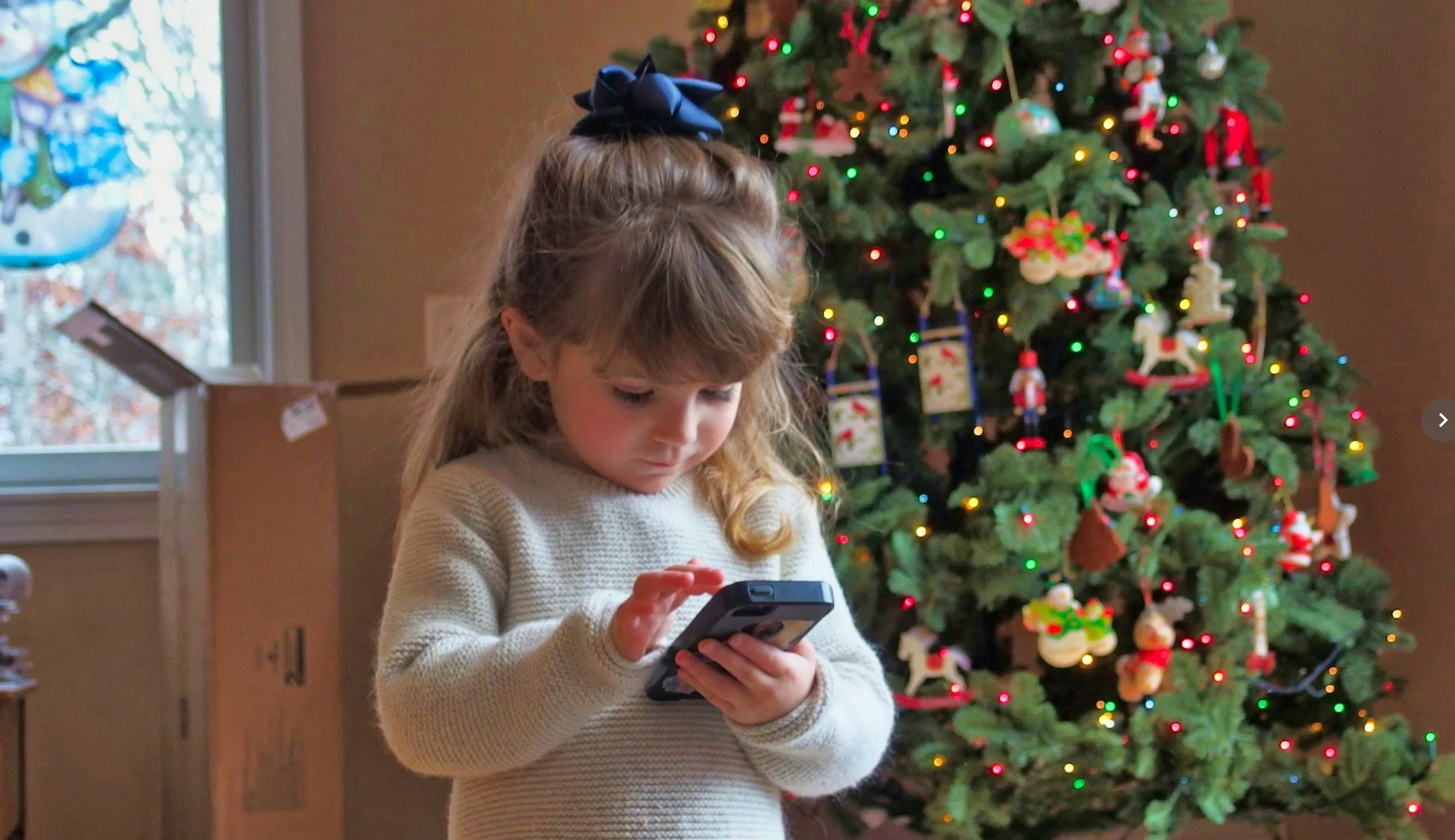
Holiday screen time can creep into the gaps between meals, visits and errands. It can also be genuinely useful: a shared film, a call with faraway cousins or something familiar during a long wait. A realistic family plan makes room for that usefulness while protecting other things you care about. The goal is not to win a screen-free competition. It is to make the break feel more intentional and less like a daily negotiation.
Begin With What You Want to Protect
Before choosing rules, name the parts of the day you want to keep available. That might include meals together, outdoor play, reading, rest and a predictable bedtime routine. Start with your household’s needs rather than another family’s social-media schedule.
The American Academy of Pediatrics offers a customizable Family Media Plan that families can revisit during holidays. It focuses on priorities and routines, which is a useful starting point when the school-day structure disappears.
Write a short version everyone can understand. “We put devices away for dinner” is clearer than “We need better balance.” Include adults in the agreement wherever possible, and explain genuine exceptions such as work calls or accessibility needs.
Plan for the Holiday You Actually Have
Canadian Thanksgiving has already passed, while families in the United States may be preparing for Thanksgiving gatherings. Some households will have time off; others will be fitting celebrations around shifts and childcare. Your plan should reflect those differences.
Separate ordinary days at home from travel days and special events. A holiday film after dinner does not need to become a promise of a film every evening. Say what is different about the occasion before the screen comes on.
If your child uses a device for communication, do not treat that access as entertainment to be earned. Make distinctions between communication, schoolwork, creative projects, video calls and passive viewing rather than treating every screen activity as interchangeable.
Make the Beginning and Ending Predictable
Choose a clear stopping point before starting. An episode ending may be easier to understand than an unexplained interruption halfway through a story. Check the actual length and avoid promising a stopping point you cannot keep.
Turn off autoplay where the service allows it. Give a calm reminder when the agreed ending approaches, then follow through without adding a lecture. Disappointment does not automatically mean the plan failed.
For children who prefer pictures, Learning Kindred’s visual-schedule ideas for a clearer holiday day may help you show what happens before and after screen time. A hand-drawn sequence can work just as well as a purchased resource. Include enjoyable activities afterwards, not only chores.
Offer Alternatives That Are Ready to Use
“Go and play” can feel vague when a child is tired or visiting an unfamiliar house. Put paper and crayons on the table, leave a familiar construction toy accessible or invite them into something you are already doing.
You do not need a cupboard full of new purchases. Our look at screen-free listening toys offers options to consider, but library audiobooks and books you own may be enough. Check suitability, costs and whether headphones will make it harder to hear instructions.
If getting outside fits your day, borrow an idea from these simple ways to enjoy nature together. Looking for interesting branches on a neighbourhood walk is a plan; vaguely hoping everyone chooses the outdoors may not be.
Stay Interested in What Is on the Screen
Ask your child to show you the game or program they enjoy. Watch together when you can, and talk about anything confusing or upsetting without making curiosity feel like an inspection.
Review privacy settings, purchases and contact features before handing over a device. A familiar-looking game may still include chat, ads or spending options. Tell children they can bring an uncomfortable message or accidental purchase to you without having to hide it first.
For mixed-age gatherings, do not assume the oldest child’s choice suits everyone. Agree on shared content with the other adults, and have a quieter alternative ready for children who do not want to watch.
Review Without Turning It Into a Scorecard
After an ordinary holiday day, notice what worked. Perhaps breakfast went more smoothly with devices put away, or the planned stopping point landed right before dinner and created unnecessary friction. Adjust the arrangement, not your opinion of your child.
If screens repeatedly displace sleep, meals, school responsibilities or relationships, bring those specific concerns to your child’s health professional. A family plan can support daily routines, but it does not replace individual advice.
Keep the next revision small. Protect a shared meal, agree on a stopping point and prepare something inviting to do afterwards. A workable holiday plan is one your family can return to, even after a messy day.