How to Set Up a Calm-Down Corner at Home
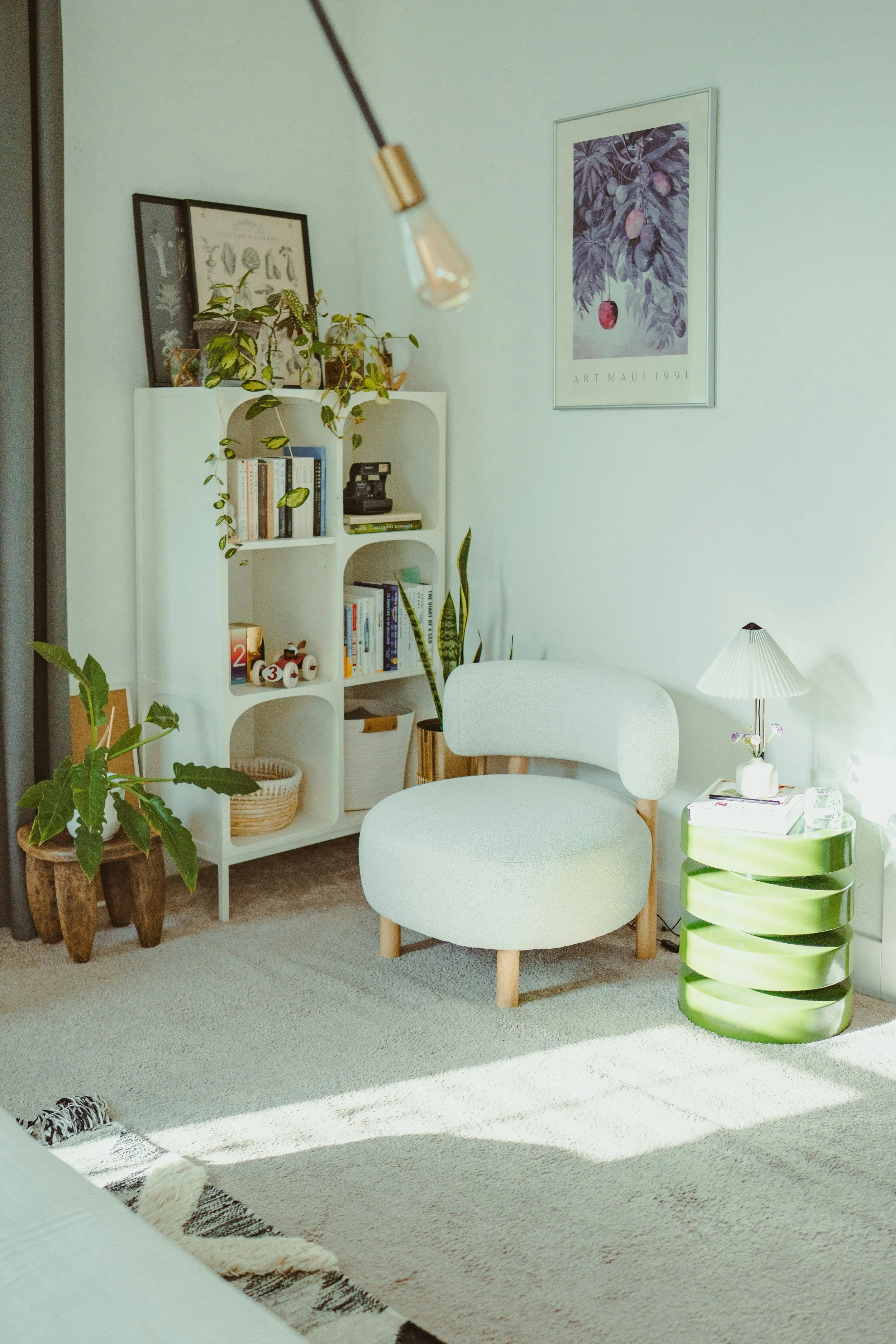
Armchair and books in a cozy reading nook with plants.
A calm-down corner does not need a matching basket, a special chair or a shopping trip. It can be a cushion beside the sofa and a familiar book. What matters is the message attached to it: this is somewhere you can pause, and you do not have to manage a hard feeling alone. Start with a small space your child already likes, then shape it together.
Make It a Place to Go, Not a Place to Be Sent
Introduce the corner during an ordinary, settled moment. Explain that everyone sometimes needs less noise or a break from what they are doing. The corner is available for those moments, not reserved for children who have done something wrong.
Avoid turning it into a renamed time-out spot. A child should not have to sit there until an adult decides their face looks happy. They can still feel disappointed when they return. The aim is a safer, more manageable next step, not a cheerful performance.
The American Academy of Pediatrics explains that children may communicate stress through their behaviour in its guidance on helping children cope when emotions take over. Treat the space as support rather than a way to stop an inconvenient feeling.
Choose Somewhere You Can Stay Nearby
Look for a location away from household traffic but within easy reach of a caring adult. A corner of the living room may work better than an isolated bedroom. If siblings share the space, decide how they can give each other privacy without leaving anyone unsupervised.
Keep the area open and easy to leave. Do not block the exit, close a child into a cupboard-sized space or build a shelter that prevents you from checking on them. Consider cords, furniture stability and anything a younger sibling could pull down.
Some children dislike enclosed spaces. Others want to sit at the kitchen table beside you. A calm place does not have to look like a corner to serve its purpose.
Offer Familiar Comforts, Not a Wall of Choices
Begin with a cushion, a sturdy picture book and a comfort item your child already enjoys. Ask what they would like nearby. A blank sheet of paper may suit one child; another may prefer nothing to touch at all.
Skip items that require complicated instructions. Check age labels and avoid small loose pieces when a child mouths objects. Weighted products, restraint-like items and specialised sensory equipment are not necessary; ask a qualified professional before using therapeutic equipment.
Learning Kindred’s calm-corner ideas to adapt for home can help you think through the setup without recreating a classroom display. Choose what fits your child and your actual space, not what photographs well.
Practise Together Before a Difficult Moment
Show your child how you might use the corner yourself: sit down, put the book beside you and say you are taking a pause. Invite them to try sitting nearby. They can decline.
Agree on a simple invitation, such as “Would you like the cushion or to sit beside me?” These are sample words, not a script you need to repeat perfectly. Your child may prefer a gesture or a picture they can point to.
During a hard moment, offer rather than insist. Stay close if that helps, and reduce your talking if words seem to add pressure. Breathing exercises are optional, not a test the child has to pass before receiving comfort.
Keep Boundaries Clear and Gentle
Accepting feelings does not mean allowing anyone to be hurt. If hitting starts, move other children and dangerous objects away. Use a brief limit: “I will help keep everyone safe.” Save explanations and problem-solving for later.
Our ideas for supporting a brave and confident child can sit alongside this approach: support and confidence need not mean pushing through every uncomfortable moment without help.
Afterwards, ask what was useful. Perhaps the corner was too bright, a sibling followed them in or they wanted you closer. Change the arrangement rather than assuming your child used it incorrectly.
Notice When More Support Is Needed
A corner is a household tool, not treatment for anxiety, pain or persistent distress. Speak with your child’s doctor if episodes are worsening, involve injury or regularly interrupt sleep, school or family life. If someone is in immediate danger, seek emergency help.
Start with a comfortable spot and an offer to stay. The most useful part of the corner may turn out to be neither the cushion nor the book, but your child’s confidence that needing a pause will not cost them your connection.