9 Tips for Calmer School Mornings
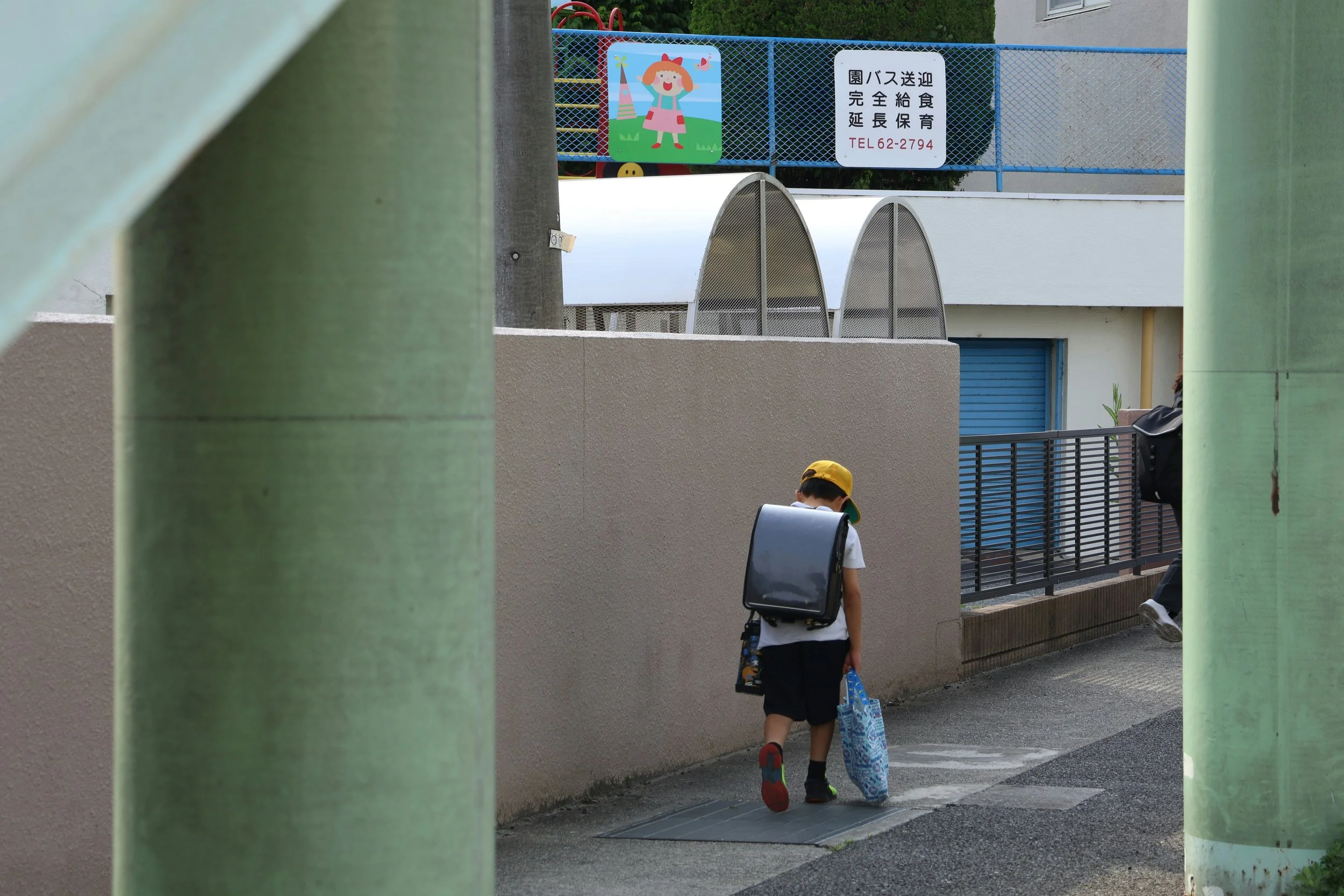
A child with a backpack walking towards a school building, seen from behind.
School mornings ask a lot of a household before anyone has fully settled into the day. Clothes need finding, breakfast needs making and a child may still be thinking about yesterday. A calmer morning does not have to mean an earlier alarm or a stricter chart. Often, it means removing a decision, making the next step visible and keeping help available when something gets stuck.
Find the actual snag.
Think about where the morning usually stops moving. Is it choosing clothes, getting out of bed, finding homework or leaving a game? Choose a particular point rather than calling the entire morning a disaster. Write down what happens just before the difficulty, without blaming anyone.
Ask your child at a quiet time what feels hardest. Their answer may surprise you. The solution to uncomfortable socks is not another reminder about the clock. Make the first change small enough that you can tell whether it helped.
2. Prepare the items that regularly go missing.
Give bags, outdoor clothes and school paperwork a home near the place you use them. An open basket may be easier than a cupboard with a fiddly latch. Keep the arrangement within your child’s reach where appropriate.
Check tomorrow’s needs while you are already tidying after the evening meal. Leave anything that must stay refrigerated in the fridge, with a reminder beside the bag. Preparation is meant to reduce searching, not create an elaborate nightly inspection that becomes another source of tension.
3. Offer a short order of events.
Choose a sequence your child can understand, such as breakfast, clothes, teeth and shoes. Use words, simple drawings or photographs. A child who reads well may prefer a handwritten list; another may need you to walk through it together.
Learning Kindred’s ideas for building a morning routine that lasts can help you think through the sequence. Adapt any suggestion to your household. A useful routine tells a child what comes next; it does not require them to manage every step alone.
4. Reduce decisions without removing all choice.
Choose clothes from available, comfortable options the night before if your child finds that useful. Keep breakfast choices familiar and manageable. The aim is not to serve the same food forever, but to avoid opening a negotiation about every cupboard when you need to leave.
Keep a fallback outfit for a spill or a changed preference. If a choice becomes overwhelming, offer a gentle default. “I’ll put the porridge out unless you would rather have toast” may work better than asking what someone wants to eat.
5. Build connection into what already happens.
A warm greeting, sitting nearby during breakfast or listening while you brush hair can make room for your child without adding a separate activity. Put away your phone where practical so the moment is not competing with messages.
This approach to making shared time count fits mornings particularly well. Connection does not guarantee cooperation, and it should not be used as a trick to obtain it. It simply keeps your child from experiencing the whole morning as a stream of instructions.
6. Make time visible without making it a threat.
Explain when you will leave in terms your child understands. A clock, a familiar song or a calm reminder can mark a transition. Some children find countdowns helpful; others become more upset by them. Watch the response and adjust.
Avoid calling out increasingly urgent warnings from another room. Go closer, name the next action and offer help: “It is shoe time. I can hold the heel while you push your foot in.” Practical support often beats a louder reminder.
7. Protect the routines that support the morning.
A difficult morning may begin with an overloaded evening. Review whether the night before leaves room for the household’s usual meals and bedtime. The AAP’s family routine guidance for busy seasons recommends protecting familiar sleep and meal schedules even when plans change.
You do not need to solve sleep difficulties by yourself. If getting up is persistently hard, or your child has ongoing sleep concerns, discuss them with their doctor. A morning checklist cannot replace appropriate care.
8. Share the work clearly.
Agree on who handles which tasks, including the invisible ones such as checking the school calendar. Children can contribute in ways that match their skills, with assistance where needed. Adults should agree on handovers rather than assuming someone else packed the bag.
If your household includes different homes or caregivers, keep essential information easy to share. A simple note about library day is more useful than expecting everyone to remember a conversation from last week.
9. Plan for the morning that still goes wrong.
Decide what can be dropped when time runs short. An optional hairstyle or a perfectly folded bed can wait. Avoid letting lateness become an argument about character. If delays recur, work with school staff on practical barriers rather than asking your child to carry the problem alone.
After a rough start, repair briefly and reset. Try a change tomorrow, keep what helps and let go of what does not. A workable morning is not silent or spotless. It gets people out the door with their needs and dignity intact.