How to Talk to Kids About Remembrance Day (and Veterans Day)
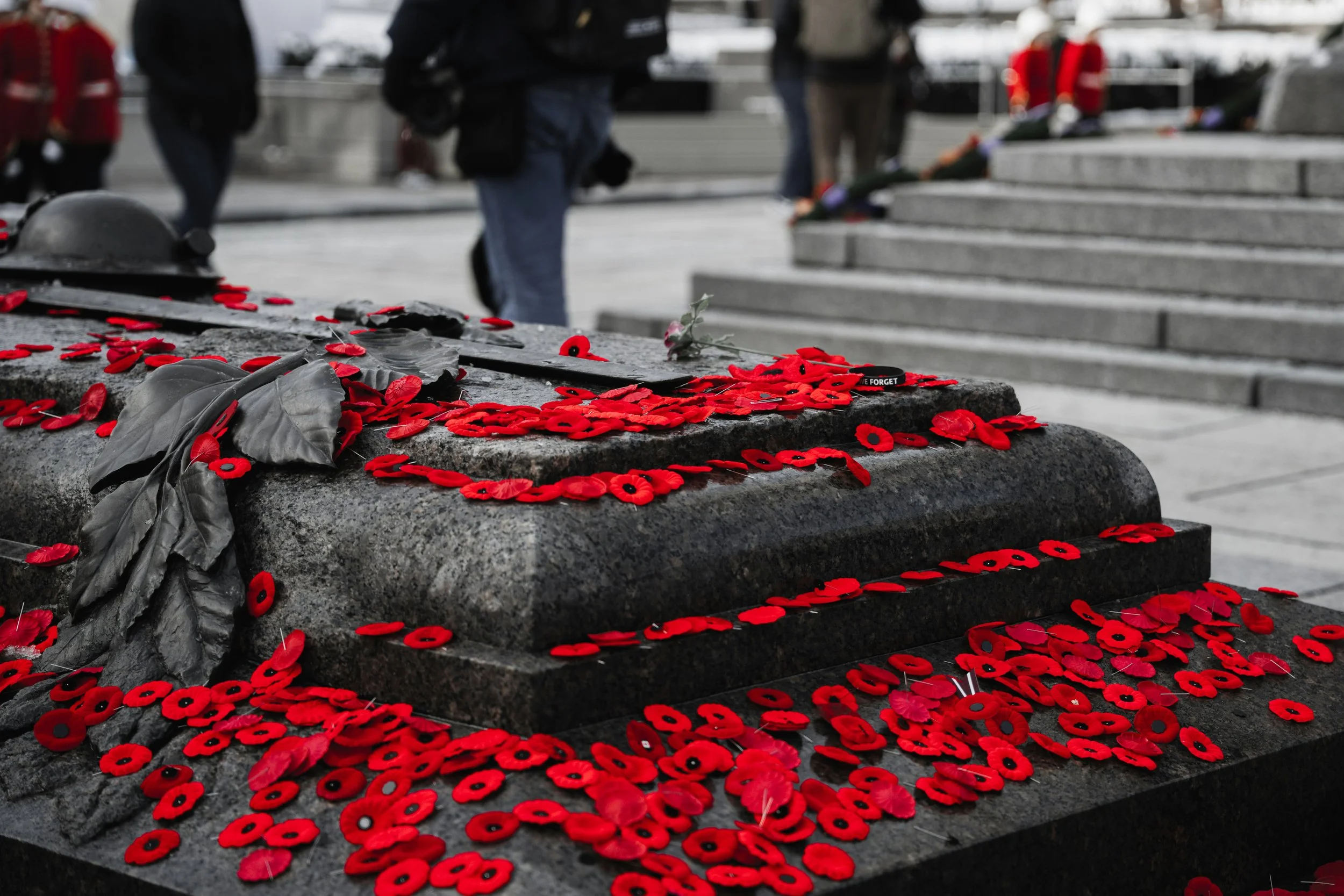
Red poppies covering the Tomb of the Unknown Soldier in Ottawa.
November 11 can bring poppies, school assemblies, uniforms and moments of silence into a child’s day. Children may notice the serious mood before they understand its meaning. A calm conversation gives them a place to put their questions. You do not need a long history lesson or a perfect explanation. Start with the meaning of the day where you live, use clear words and leave room to return to the subject later.
Explain the Day in Your Country
In Canada, Remembrance Day is a time to remember those who served and those who died in military service. Veterans Affairs Canada’s Remembrance Day information offers ways to participate and resources for learning about service. A young child might hear: “Today we remember people who served our country, including people who died. We also think about peace.”
In the United States, Veterans Day honours those who served in the armed forces. The US Department of Veterans Affairs explains how Veterans Day differs from Memorial Day, which focuses on those who died in service. Both observances invite respect, but they are not interchangeable. If your family has connections to both countries, name that difference without making the conversation a quiz.
Let Questions Set the Depth
Ask what your child has already heard at school or noticed in the community. They may be wondering about a poppy rather than asking for details about war. Answer the actual question first, then pause. An honest “I don’t know; we can look that up together” is better than filling the gap with a guess.
Use plain language when death comes up. Saying that someone died is clearer than saying they went to sleep or went away. You can explain that their body stopped working and they cannot come back. Keep the answer brief and avoid graphic descriptions.
Older children may ask about fairness, conflict or decisions governments make. You can acknowledge that history includes difficult choices and different perspectives while keeping respect for individual people at the centre. Not every question needs to be settled in the same conversation.
Prepare for a Ceremony Without Demanding Perfection
Describe what your child might see and hear before an assembly or community event. There may be music, uniforms, a speaker and a quiet pause. Check the event details rather than promising a particular format. Let your child know where you will sit and whether you can step outside together.
Offer practical support such as a place near an exit or hearing protection if your child uses it. A child who moves, asks a question or needs a break is not automatically being disrespectful. Explain expectations simply and help them participate in a way they can manage.
If an in-person ceremony is not a good fit, choose a short, age-appropriate part of an official recording or mark the day quietly at home. Being present for a small piece can be more meaningful than struggling through the whole event.
Choose an Activity With Meaning
Keep the activity connected to people rather than treating remembrance as a decoration theme. You could look at a local memorial, read an official veteran profile together or draw something that represents peace. Check names and historical details before repeating them.
If you make a card for a veteran, use an established local program and follow its guidance. Do not assume someone wants to discuss military experiences. A respectful thank-you does not require a reply or a personal story.
For homeschool families, a flexible annual plan can leave space for observances without building a large unit around each one. Learning Kindred’s guide to planning a homeschool year can sit alongside your family’s own choices about history, community and reflection. A meaningful conversation is enough learning for this moment.
Make Room for Feelings and Family Differences
Some children have a serving parent, a veteran relative, an experience of displacement or someone they are grieving. Avoid assuming the day feels the same in every household. Let a child be quiet, interested, sad or unsure without asking them to perform a particular emotion.
If someone’s death becomes part of the conversation, these gentle ways to talk about grief can help you think about your words. Offer space to remember the person, but do not press a child to share private family details at school or a public event.
If worry or grief persists, disrupts everyday life or leaves you unsure how to help, speak with your child’s doctor or a qualified counsellor. Seek urgent help if there is an immediate safety concern.
End with something grounded: put the poppy away carefully, take a quiet walk or share an ordinary meal. Children do not have to understand every part of history today. An honest explanation, respectful participation and an available adult give them a thoughtful place to begin.