Shop Small for Kids This Holiday: Gifts From Independent Makers
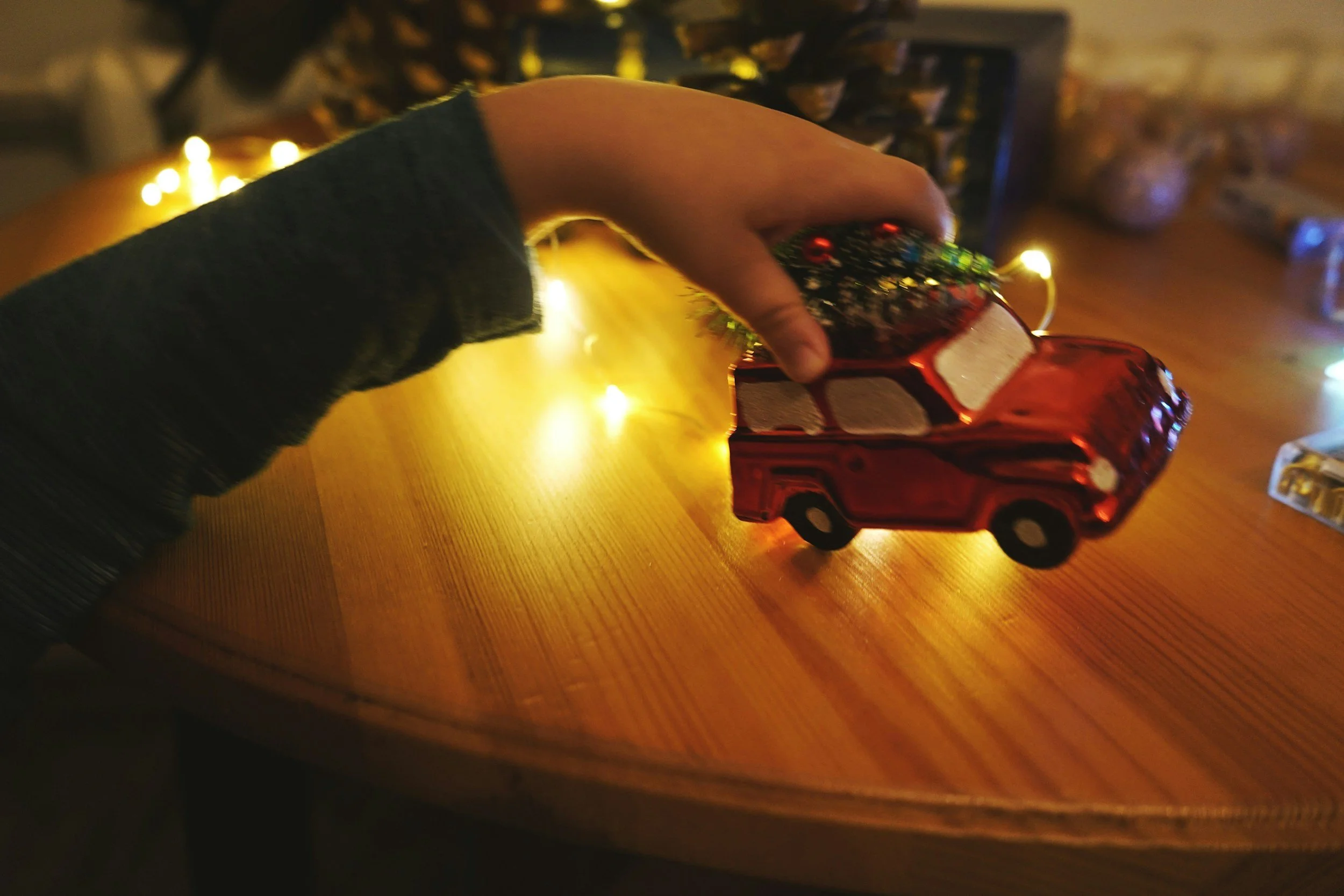
Shopping small can be a lovely way to find a gift that reflects a child’s particular interests. It can also involve more questions than adding a familiar item to a large retailer’s cart. Who made it, what does it include and will it work in your home? A thoughtful purchase begins with the child and the practical details, not the pressure to discover something nobody else has seen.
(Full disclosure: I founded Learning Kindred, a marketplace for learning resources made by parents, teachers, occupational therapists, speech-language pathologists and other experts. I mention it once below, alongside other ideas.)
Start With the Child, Not the Shopping Event
Before browsing, think about what your child returns to when nobody is directing them. Perhaps they build small worlds, draw animals or enjoy listening to stories. Look for a gift that welcomes that interest rather than trying to replace it with something more impressive.
Shopping events can create urgency, but a discount does not make an unsuitable item useful. Decide what you can comfortably spend, including delivery, taxes and any materials needed to use the gift. Buying nothing today remains a valid choice.
Our guide to screen-free listening toys may help clarify features your family values. Use that kind of comparison to identify needs, not to create a list of products you feel obliged to own.
Look Beyond the Word “Handmade”
A small business or handmade label is not a safety certification. Health Canada’s toy safety tips recommend checking age labels, warnings, construction and recalls whether buying new or used. The same careful attention belongs in an independent shop.
Look for the maker’s contact information and clear product details. Ask about loose parts, finishes, batteries or magnets when relevant. If the listing does not answer basic safety questions, pause rather than assuming a charming photograph tells the whole story.
In the United States, check the safety information and recall guidance relevant to your purchase there. When ordering across the border, ask which requirements the seller’s product meets. Do not assume a product suitable for an older sibling is appropriate for a younger child sharing the room.
Choose Play Possibilities Over Big Promises
Consider a sturdy puzzle, an open-ended building set, a handmade puppet or an art kit with clearly described materials. Ask what your child can actually do with it, how much adult help it needs and where it will live afterwards.
Be cautious with claims that a toy will guarantee reading, concentration or emotional regulation. A product description should explain the activity without making sweeping promises about your child. Individual needs matter more than impressive educational wording.
Our look at PlayCubes can be a starting point for thinking about hands-on play. As with any product mentioned on a blog, check current details, age suitability and whether it fits your family before purchasing. An article is not a substitute for the manufacturer’s instructions.
Treat Digital Gifts as Real Purchases
Independent educators and other creators also make activity guides, ebooks and learning resources. A digital gift may suit a child who enjoys drawing, storytelling or hands-on projects, provided you understand what is supplied and what must be printed or gathered.
Learning Kindred’s article on buying from independent educators and resource creators offers another way to think about these purchases. Look closely at previews, creator information and the intended use rather than buying on the strength of a colourful cover.
Check language, accessibility, file type and printing needs. Confirm whether you are buying a finished item or instructions for making it. Read the licence before sharing copies with another household, and avoid sending a file as a gift unless the purchase terms allow that use.
Check Delivery and Returns Before Paying
Read dispatch times separately from estimated delivery times. A maker may need to create the item before posting it. Custom work can take longer and may have different return conditions, so confirm the details before placing the order.
For Canadian and US cross-border orders, look for shipping costs, currency, possible duties and the seller’s policy if a parcel arrives late or damaged. Save your order confirmation and correspondence somewhere you can find them.
If the gift may not arrive in time, choose a different plan rather than asking a maker to promise what they cannot control. A note describing a coming gift can work when your child will understand and enjoy the anticipation.
Keep the Gift Easy to Receive
Ask parents before buying large items, loud toys or kits that need close supervision. Include useful instructions and any gift receipt. Avoid giving a project that quietly requires someone else to buy supplies, clear a room or organize an entire afternoon.
Shopping small is an option, not a measure of how much you care. Library books, second-hand finds and shared time can be thoughtful too. Choose a gift you can afford, from a seller who answers reasonable questions, with room for your child to enjoy it in their own way.